Understanding Corporate Video Production
In today’s rapidly evolving digital landscape, corporate video production has emerged as a vital tool for businesses seeking to engage their audience effectively. This medium not only allows companies to convey their messages clearly but also enhances their branding and marketing efforts. With the ability to integrate storytelling, visuals, and sound, corporate videos can resonate with viewers on multiple levels, fostering a deeper connection with the brand. When exploring options, Corporate Video Production services can provide comprehensive insights and tailored solutions to meet diverse needs.
What is Corporate Video Production?
Corporate video production refers to the process of creating video content specifically designed for business objectives. This can range from promotional materials, training videos, stakeholder communications, to internal communications. Unlike typical advertising, the goal is often more about informing and educating than simply selling a product or service. Effective corporate videos blend storytelling with professional production techniques to create engaging content that aligns with a company’s values and messaging.
Benefits of Corporate Video Production for Businesses
Investing in corporate video production offers numerous advantages, including:
- Enhanced Communication: Videos are effective for conveying complex information succinctly.
- Increased Engagement: Visual content is more likely to capture and hold attention compared to text-based communication.
- Improved Brand Recognition: Consistent video branding helps in building a recognizable identity.
- Higher ROI: Well-produced videos have been shown to lead to increased conversion rates and sales.
Types of Corporate Videos
There are several types of corporate videos that businesses can create, each serving different purposes, such as:
- Promotional Videos: Focus on specific products or services.
- Internal Communications: Used for training or updates within the organization.
- Documentaries: Showcase the company’s culture or history.
- Event Coverage: Highlight important corporate events or milestones.
- Testimonial Videos: Feature customer experiences to build trust.
The Corporate Video Production Process
Pre-Production Planning and Strategy
The first phase in corporate video production is pre-production, where planning takes place. This involves defining the video’s purpose, target audience, and core message. Developing a creative brief, scriptwriting, and storyboarding are critical steps during this phase. Additionally, determining the budget and timeline will guide the entire production process.
Shooting: Techniques and Best Practices
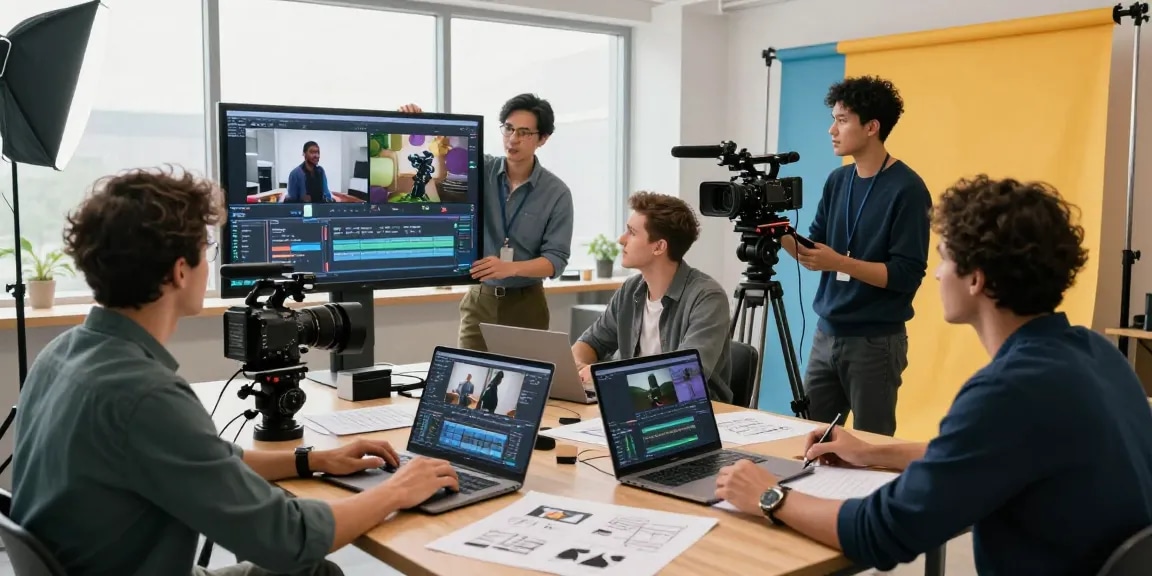
Shooting is where the vision comes to life. Utilizing high-quality equipment, appropriate lighting, and sound techniques will significantly impact the video’s quality. Professional videographers may employ various techniques, such as:
- Camera Angles: Different perspectives can enhance storytelling.
- Lighting: Proper lighting can create mood and highlight subjects effectively.
- Sound Quality: Clear audio is essential for effective communication.
Post-Production: Editing and Final Delivery
After filming, the footage enters post-production, where the editing process begins. This involves selecting the best takes, arranging scenes, and adding special effects, soundtracks, and graphics. The final product should be polished and align with the original vision set during pre-production. This phase is crucial for ensuring the video resonates with its intended audience and achieves its goals.
Overcoming Common Challenges in Corporate Video Production
Managing Budget Constraints
Budget constraints are a common challenge in corporate video production. To manage costs effectively, businesses should prioritize essential elements of production and seek to balance quality with affordability. Exploring different pricing models and focusing on efficient resource allocation can also help in staying within budget.
Scheduling and Coordination with Teams
Production involves multiple stakeholders, which can lead to scheduling conflicts. Clear communication and advanced planning are essential for coordinating schedules among teams. Utilizing project management tools can streamline the process and keep everyone informed of their responsibilities.
Quality Control and Feedback Loops
Quality control throughout the production process ensures that the final video meets expectations. Establishing feedback loops with stakeholders allows for continuous improvement and iterations before the final delivery, ensuring that the product aligns with the company's branding and messaging goals.
Innovative Approaches to Corporate Video Production
Incorporating Animation and Graphics
Incorporating animation and graphics can enhance storytelling and make complex information more digestible. Animated elements can illustrate processes that are difficult to convey through live-action alone, making them a valuable addition to corporate videos.
Utilizing Drones for Aerial Footage
Drones have revolutionized corporate video production by enabling stunning aerial shots that were once difficult or expensive to obtain. Aerial footage can provide unique perspectives, especially for corporate events, property showcases, or outdoor activities.
Engaging with Interactive Video Formats
Interactive videos allow viewers to engage actively with content, creating a more personalized experience. For example, adding clickable elements can offer additional information or lead to related resources, keeping viewers engaged longer.
Future Trends in Corporate Video Production
Impact of Artificial Intelligence on Video Editing
Artificial intelligence (AI) is set to transform video editing by automating repetitive tasks, enhancing efficiency, and allowing editors to focus on creative aspects. AI can assist in content creation, color correction, and even in suggesting edits based on viewer engagement metrics.
Virtual Reality and Augmented Reality in Video Marketing
Virtual reality (VR) and augmented reality (AR) are emerging as powerful tools in corporate video production. These technologies enable immersive experiences that can enhance storytelling and engage audiences in unique ways, making them a valuable part of modern marketing strategies.
Emerging Technologies in Production Techniques
With advancements in technology, new production techniques are continually evolving. Tools such as 360-degree cameras, high-definition graphics, and innovative editing software are becoming standard in corporate video production, pushing creative boundaries.
What is the cost of corporate video production?
The cost of corporate video production varies widely based on complexity, length, and the production company’s expertise. Simple projects may start around $3,000, while comprehensive, high-quality productions can exceed $100,000. Understanding the specific needs and goals of the video can help in estimating the budget accurately.
How long does corporate video production take?
Typically, producing a corporate video can take anywhere from 4 to 6 weeks, depending on the project's scope. This timeline includes pre-production planning, shooting, and post-production editing. More intricate videos may require additional time for development and feedback loops.
What are the best practices for corporate video production?
To maximize the effectiveness of corporate video production, consider the following best practices:
- Clearly define the project scope and goals during pre-production.
- Maintain consistent branding throughout the video.
- Engage viewers with compelling storytelling.
- Focus on high-quality audio and visuals.
- Incorporate viewer feedback during the editing process.