The Rise of Asian Culture in Hispanic Communities
In recent years, there has been an undeniable surge in the popularity of Asian culture within Hispanic communities. This growing interest transcends mere curiosity, evolving into a vibrant cultural blend that fosters connections between diverse groups. This article explores how platforms like https://hanadultalk.com serve as vital bridges for cultural exchange, presenting high-quality Asian content in Spanish. From music to cuisine, let’s delve into this fascinating intersection of cultures.
Understanding the Cultural Blend
The fusion of Asian and Hispanic cultures is a remarkable phenomenon characterized by the intertwining of traditions, art, and language. This blend is largely driven by the accessibility of digital media that allows for the easy dissemination of cultural content. Young Hispanics, particularly those in the millennial and Gen Z demographics, are increasingly turning to movies, music, and literature from Asia, which are often unavailable in their native languages.
Moreover, with the rise of technology and social media, these cultural exchanges have become more pronounced. Platforms like NAGA2000 provide invaluable resources, offering insights into Asian traditions presented in a way that resonates with Spanish speakers. This bilingual approach not only aids language learners but also enriches cultural appreciation.
Key Influences of K-pop and J-pop
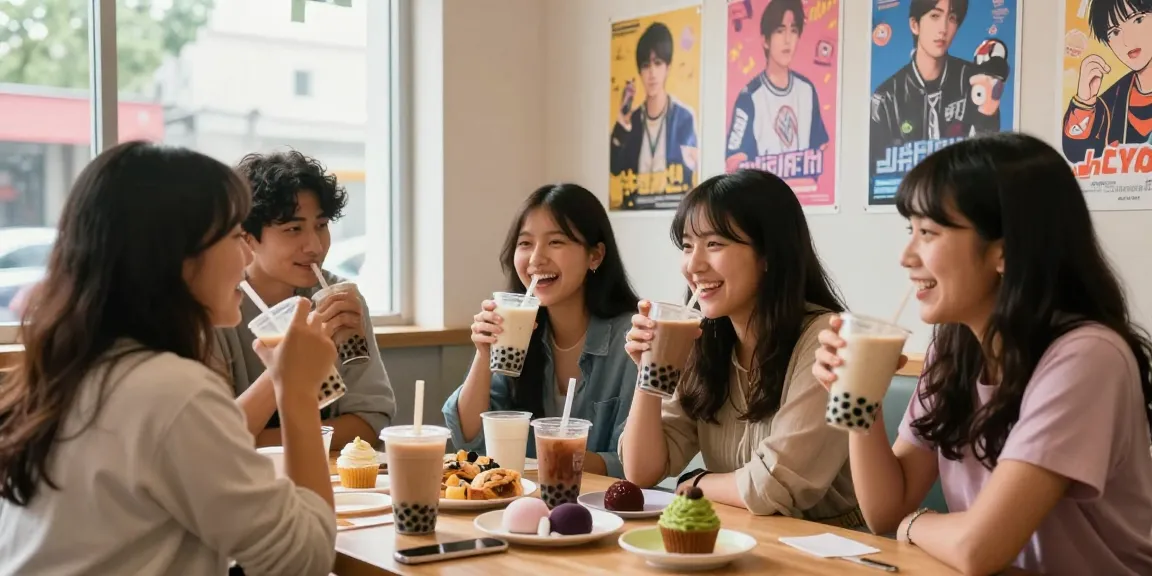
K-pop and J-pop have emerged as global phenomena, captivating audiences far beyond their native borders. Their catchy rhythms, intricate choreography, and visually stunning productions have attracted a significant Hispanic fanbase. Social media platforms like TikTok and Instagram have facilitated the viral spread of these genres, enabling fans to share their love for Korean and Japanese pop culture.
Music videos featuring popular K-pop groups are shared extensively among Hispanic youths, often leading to dance challenges and fan art that blend Latin sensibilities with Asian aesthetics. This cross-pollination of cultures illustrates how music can act as a universal language, transcending barriers and bringing people together.
Impact on Millennials and Gen Z
Millennials and Gen Z are pivotal in the ongoing cultural exchange between Asia and Hispanic communities. These generations tend to seek authenticity and diversity in their media consumption, often gravitating towards content that offers unique perspectives. As a result, K-dramas, anime, and Asian culinary trends have gained traction.
In addition, the use of platforms like NAGA2000 allows them to engage with content that enriches their understanding of Asian cultures while simultaneously improving their Spanish language skills. This creates a nuanced appreciation for both cultures, fostering a generation that is not only bilingual but culturally literate.
Engaging with Asian Content in Spanish
The demand for Asian content in Spanish has prompted various platforms to cater to this evolving audience. By providing access to culturally relevant material, these platforms create opportunities for deeper engagement with Asian narratives. Let’s explore how this is achieved.
Creating a Bilingual Experience
Creating a bilingual experience goes beyond simply translating content; it involves curating material that resonates with Spanish speakers while retaining the essence of the original. Producers and creators are increasingly aware of the need to adapt cultural references and humor to suit different audiences.
Websites, blogs, and streaming services are now dedicated to offering Asian movies, series, and music in Spanish. This approach not only broadens access but also enhances viewer engagement, as audiences can enjoy their content without language barriers. The integration of cultural nuances enriches the viewing experience, making it more relatable and entertaining.
Popular Themes in Asian Entertainment
Asian entertainment often encompasses themes of family, love, and resilience, which resonate universally. The exploration of these themes in diverse narratives allows Hispanic audiences to connect on a personal level. For instance, many K-dramas portray familial bonds and societal challenges, making them relatable to Hispanic viewers who share similar cultural values.
Food is another popular theme that emerges in Asian entertainment. Shows focusing on culinary traditions provide viewers with a glimpse into the rich gastronomic heritage of Asian cultures, inviting them to explore new recipes and ingredients. This aspect is particularly appealing to the Hispanic audience, who are known for their love of culinary arts.
Top Online Platforms for Content Consumption
As the interest in Asian culture grows among Hispanic audiences, numerous online platforms have emerged to meet this demand. Websites and streaming services specialize in curating Asian content with Spanish subtitles or dubbing, making it more accessible. Popular platforms like NAGA2000 are frontrunners in this space, showcasing a variety of cultural materials that include music, film, and culinary videos.
Additionally, social media platforms have become essential for sharing and discovering Asian content. Users can engage with content creators and influencers who specialize in Asian culture, leading to a more interactive and immersive experience.
Culinary Trends from Asia to the Hispanic Table
Food acts as a remarkable vehicle for cultural exchange, with Asian cuisine gaining popularity in Hispanic households. The fusion of flavors and techniques presents a unique arena for experimentation and innovation in cooking.
Fusion Recipes to Try at Home
The culinary landscape is witnessing an exciting trend wherein Asian flavors are merged with traditional Hispanic dishes. For example, the incorporation of Korean-style barbecue into traditional tacos has become a culinary sensation across various food festivals. Home cooks are experimenting with fusion recipes that blend these distinct flavors, creating dishes that resonate with both cuisines.
Creating a fusion experience at home can be as simple as trying out recipes that combine familiar Hispanic ingredients with Asian cooking techniques. Creating dishes like Asian-infused empanadas or sushi burritos allows individuals to experience the best of both worlds.
Understanding Asian Ingredients
To explore Asian culinary trends fully, it's crucial to understand the ingredients that define these cuisines. From soy sauce to miso paste, each ingredient carries its own cultural significance and enhances the overall flavor profile of the dishes.
Hispanic cooks can benefit from exploring Asian markets and incorporating these ingredients into their cooking. Familiarizing oneself with the different types of rice, noodles, and spices common in Asian cuisines can result in delicious and diverse meals that reflect a blend of flavors.
Virtual Cooking Classes and Resources
The rise of online cooking classes has made it easier for culinary enthusiasts to explore Asian cuisines. Many platforms offer virtual cooking lessons that teach participants how to create dishes from various Asian cultures, making them accessible to audiences worldwide.
These classes provide valuable resources for learning about specific techniques and ingredients. They also foster a sense of community among participants who share a passion for culinary exploration, encouraging the practice and appreciation of Asian cooking within Hispanic households.
Learning Spanish Through Asian Culture
For many, combining language learning with cultural interests results in a more effective educational experience. Engaging with Asian culture through media provides a unique platform for learning Spanish.
Using Media as an Educational Tool
Media serves as a powerful educational tool that can enhance language learning. By consuming Asian content in Spanish, learners can familiarize themselves with vocabulary, phrases, and cultural references. Movies, dramas, and music not only expose learners to the language but also help them understand the context in which it is used.
Incorporating subtitles in Spanish while watching Korean dramas or Japanese films can significantly aid comprehension. This practice enables learners to connect auditory and written language, thereby improving their overall language skills more effectively.
Recommended Books and Shows
Engaging with literature and television shows from Asia that are available in Spanish can also enrich the learning experience. Titles that delve into cultural narratives help create a deeper understanding of the language and its nuances.
Recommendations may include popular novels and graphic novels translated into Spanish or acclaimed shows that reflect Asian traditions and societal themes. Such resources not only support language learning but also provide context for learners to understand cultural dynamics.
Language Exchange Programs
Participating in language exchange programs is another effective way to practice Spanish while exploring Asian culture. These programs often connect individuals from different cultural backgrounds, enabling them to share their languages and traditions.
By engaging in conversations with native Spanish speakers who have an interest in Asian cultures, learners can practice their language skills in a practical setting. This exchange of knowledge fosters mutual appreciation and understanding of both cultures.
Future Trends in Cultural Exchange
The future of cultural exchange between Asian and Hispanic communities looks promising. As these cultures continue to intertwine, several trends are anticipated to emerge, further enriching the experience of individuals engaged in this dialogue.
Anticipated Cultural Collaborations
As interest grows, more collaborations between Hispanic and Asian artists, chefs, and filmmakers are expected. These partnerships can result in projects that celebrate both cultures, broadcasting their shared narratives on broader platforms. Collaborative events like fusion festivals and joint performances may become increasingly common, allowing for vibrant celebrations of diversity.
Emerging Asian Artists in the Global Scene
Emerging Asian artists are gaining recognition on the global stage, appealing to a diverse audience that includes Hispanic communities. Their work, often characterized by a blend of tradition and modernity, resonates with multicultural audiences. As these artists gain visibility, they can inspire and influence the next generation of creators from varied backgrounds.
Keeping Up with Trends for 2026
As we approach 2026, it will be essential to keep abreast of the latest trends in cultural exchange. Social media continues to play a pivotal role in shaping preferences and influencing consumption patterns. Platforms that prioritize diverse content creation will remain crucial for fostering engagement between Asian and Hispanic cultures.
Being proactive and open to continuous learning will help individuals navigate the evolving landscape of cultural collaboration. Engaging with diverse media forms and participating in cultural events will allow individuals to experience the richness of both traditions.
How to Engage with Cultural Content?
Engaging with cultural content can be as simple as seeking out movies, music, and literature that present diverse narratives. Subscribing to platforms that offer bilingual options enables audiences to enjoy the richness of Asian culture while enhancing their language skills. Participating in online discussions and forums dedicated to Asian culture can also foster community and connection.
What are the Benefits of Bilingual Content?
Bilingual content offers numerous benefits, including improved language proficiency and cultural awareness. Engaging with diverse perspectives promotes empathy and understanding, allowing individuals to appreciate the nuances of different cultures. Furthermore, bilingual content can serve as a valuable tool for educators looking to teach language and culture more effectively.
How to Incorporate Asian Cuisine into Your Lifestyle?
Incorporating Asian cuisine into your lifestyle can be an enjoyable and rewarding experience. Start by experimenting with simple recipes that introduce Asian flavors to your meals. Gradually, you can explore more complex dishes and techniques, enhancing your culinary repertoire. Visiting local Asian markets can also spark creativity and inspiration in your cooking.
Suggestions for Learning Resources?
As you embark on your language learning journey, consider utilizing various resources, including language apps, online courses, and community groups. Engaging with materials that are culturally relevant can significantly improve retention and understanding. Additionally, joining online platforms that focus on specific cultural themes will expand your learning horizons.
What’s Next for Asian Pop Culture in 2026?
The future of Asian pop culture looks exceptionally bright, with anticipated innovations in art, music, and entertainment. As creators continue to experiment with cross-cultural themes, the dialogue between Asian and Hispanic cultures will deepen, paving the way for more inclusive narratives that reflect our global society. As audiences become more interconnected, the exchange of ideas and artistic expression will foster a greater appreciation for cultural diversity.