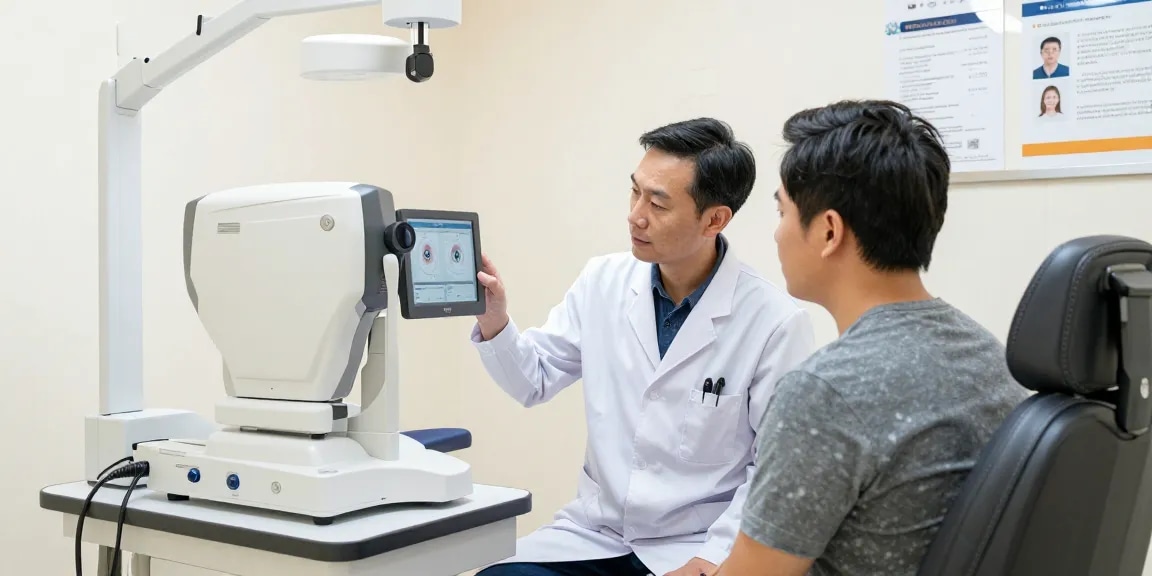
Understanding SMILE Laser Vision Correction
In the realm of vision correction, the SMILE (Small Incision Lenticule Extraction) procedure has emerged as a revolutionary technique, offering an alternative to traditional methods like LASIK. With the increasing reliance on digital devices, more individuals are seeking solutions for refractive errors such as myopia, hyperopia, and astigmatism. In this article, we delve into what SMILE involves, its advantages, and the reasons behind its growing popularity, particularly at leading facilities like the Hong Kong Bright Eye Center.
When exploring options, SMILE provides comprehensive insights into this modern approach to vision correction.
What is SMILE?
SMILE is a minimally invasive laser procedure designed to correct refractive errors by reshaping the cornea, the eye's outer layer. Unlike LASIK, which involves creating a flap in the cornea, SMILE utilizes a small 2-4 mm incision to extract a lenticule of corneal tissue. This technique is performed using advanced femtosecond laser technology, which enhances precision and minimizes tissue damage.
Benefits of Choosing SMILE
- Minimally Invasive: The small incision used in SMILE results in less trauma to the cornea and quicker recovery times.
- Quick Procedure: The surgery typically takes less than 30 minutes, allowing patients to return to their daily activities almost immediately.
- Reduced Dry Eye Symptoms: Many patients report fewer instances of dry eyes post-operation compared to LASIK, as SMILE preserves more of the corneal nerves responsible for tear production.
- High Satisfaction Rates: Clinical studies indicate that patients undergoing SMILE experience high levels of satisfaction and stable visual outcomes.
How SMILE Differs from Traditional LASIK
While both SMILE and LASIK aim to correct refractive errors, they do so through different methodologies. LASIK involves creating a flap in the cornea using a laser, whereas SMILE only requires a small incision. This difference significantly reduces the risk of complications related to flap creation, making SMILE a safer option for many patients.
Who is a Suitable Candidate for SMILE?
Basic Qualifications for SMILE Surgery
Generally, candidates for SMILE should meet the following criteria:
- Age: Patients should be over 18 years old.
- Stable Vision: A stable prescription for at least one year prior to surgery.
- Refractive Error: Nearsightedness (myopia) not exceeding -10.00 diopters and astigmatism not exceeding -5.00 diopters.
- No Corneal Diseases: A healthy cornea free from diseases or abnormalities.
Common Misconceptions About SMILE Eligibility
Many people believe that only those with minor vision issues qualify for SMILE, but advancements in technology have expanded eligibility. A thorough evaluation by an eye care professional can determine individual candidacy based on specific eye conditions.
Pre-Surgery Consultation Importance
Before proceeding with SMILE surgery, a comprehensive pre-surgery consultation is crucial. This assessment includes eye examinations, discussions about medical history, and understanding patient expectations. This step ensures the best possible outcomes and tailors the procedure to meet individual needs.
Preparing for Your SMILE Procedure
Essential Pre-Procedure Checks
Prior to the surgery, several important checks must be conducted, including:
- Measurement of corneal thickness and curvature.
- Evaluation of overall eye health, including pupil dilation tests.
- Discussion of any medications currently taken and their potential impacts on surgery.
What to Expect on Surgery Day
Patients should arrive at the clinic with a support person, as the procedure can leave them feeling a bit disoriented. Expect to spend around two to three hours for the entire process, which includes pre-operative preparations and post-operative evaluations. Anesthetic eye drops will be administered to ensure comfort during the procedure.
Post-Preparation Instructions for a Smooth Experience
To prepare for the surgery, it is recommended to avoid wearing contact lenses for a specified period prior to the procedure, typically two weeks. This allows the cornea to return to its natural shape, ensuring accurate measurements can be taken for surgery.
Understanding SMILE Surgery Steps
Dive into the SMILE Procedure Process
The SMILE surgery process involves several key steps:
- Disinfection: The eye area is cleaned using sterile solutions to minimize infection risk.
- Creation of the Lenticule: The femtosecond laser is used to create a lenticule within the cornea.
- Incision: A small incision is made, typically around 2-4 mm, through which the lenticule is removed.
- Closing the Incision: The incision naturally closes without the need for stitches, allowing for rapid healing.
Post-Operative Care Essential Tips
Following the procedure, patients must adhere to specific aftercare instructions to ensure optimal recovery:
- Use prescribed eye drops to prevent infection and manage inflammation.
- Limit screen time and reading for the first few days.
- Avoid swim pools, hot tubs, and dusty environments for at least a week.
- Follow-up appointments are vital to monitor healing and vision progress.
Pitfalls to Avoid After SMILE Surgery
Patients should avoid rubbing their eyes or exposing them to potentially harmful conditions that could hinder healing. It is also crucial to attend all scheduled follow-up appointments to ensure a successful recovery and optimal results.
Addressing SMILE Risks and Concerns
Common Risks Associated with SMILE
Despite its advantages, like any surgical procedure, SMILE carries potential risks. Some common concerns include:
- Infection: Although rare, post-operative infections can occur and require immediate medical attention.
- Dry Eye: Temporary dry eye symptoms are common but usually subside within a few months.
- Visual Disturbances: Some patients may experience glare or halos around lights, especially at night.
How to Mitigate Post-Surgery Complications
To minimize risks, patients should adhere strictly to the prescribed aftercare regimen and report any unusual symptoms to their eye care provider immediately. Regular follow-ups are essential for monitoring recovery and addressing concerns early on.
Expert Insights on Long-Term Effects of SMILE
Studies show that the long-term efficacy of SMILE is comparable to LASIK, with many patients enjoying improved vision without the need for glasses or contact lenses. However, routine eye examinations are important to monitor any future changes in vision quality.
What are the costs associated with SMILE?
The cost of SMILE surgery can vary based on several factors, including the clinic's location, the surgeon's experience, and whether it's performed on one or both eyes. While it may appear more expensive than LASIK initially, the long-term benefits and reduced need for enhancements can justify the investment.
How to choose the best clinic for SMILE?
Choosing the right clinic is crucial for a successful outcome. Factors to consider include:
- Surgeon experience and qualifications.
- Technology and equipment used in the procedure.
- Patient reviews and satisfaction rates.
- Availability of comprehensive pre-operative evaluations.
Is SMILE a permanent solution for vision correction?
While SMILE provides long-lasting results, it is important to acknowledge that vision changes can still occur due to factors like age, eye health, and lifestyle. As such, regular check-ups with an eye care professional are vital.
How does recovery time differ per individual?
Recovery times can vary based on individual healing responses. Most patients notice significant improvement within a few days, while others may take weeks to achieve optimal vision. Factors affecting recovery include overall health, adherence to post-operative care, and the presence of pre-existing conditions.
What to do if experiencing post-procedure complications?
If any complications arise, such as prolonged discomfort or visual disturbances, patients should contact their eye care provider promptly. Early intervention can significantly enhance recovery outcomes and address potential issues effectively.