Understanding Induction Heating Technology
Induction heating is an innovative technology harnessed for a variety of industrial applications, providing unparalleled efficiency and accuracy in metal processing and other heating tasks. At the forefront of this technology is the induction heater, which uses electromagnetic fields to generate heat directly in conductive materials. This process not only speeds up heating times but also allows for precise temperature control, which is essential in many manufacturing environments.
What is an Induction Heater?
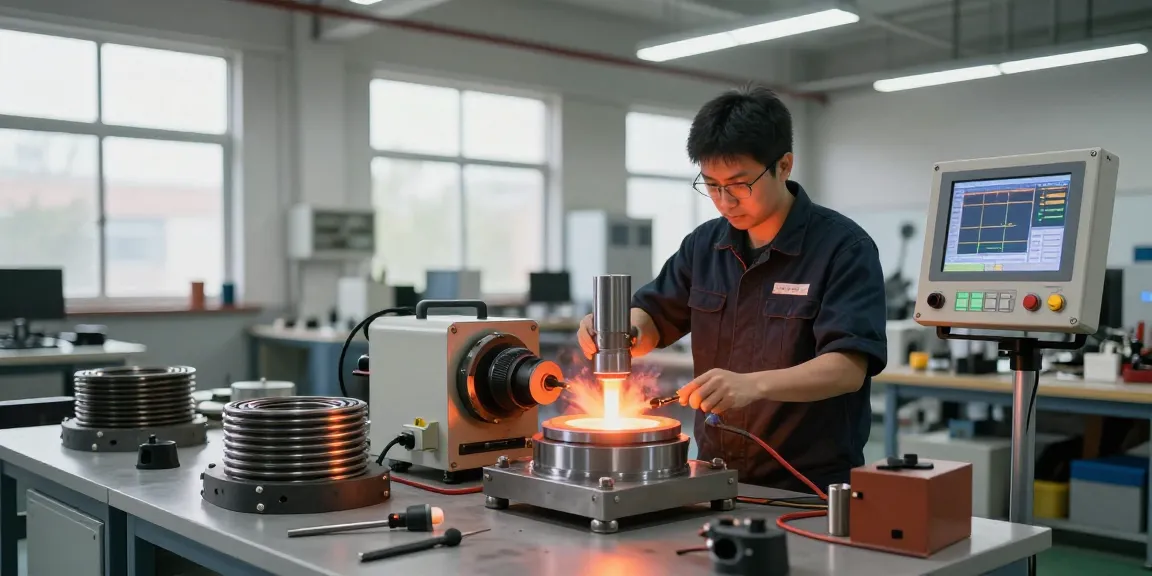
An induction heater is a machine that utilizes electromagnetic induction to heat metals and other conductive materials without physical contact. The technology involves an induction coil that produces an alternating electromagnetic field. When a conductive material is placed within this field, electrical currents are induced in the material, leading to rapid heating. This method is particularly advantageous in scenarios where traditional heating methods fall short, such as in precision applications where localized heating is crucial.
How Induction Heating Works
Induction heating operates primarily through the principles of Faraday's law of electromagnetic induction. When an alternating current flows through the induction coil, it creates a magnetic field. If a metal object is introduced into this field, circulating currents—known as eddy currents—are generated within the metal due to the changing magnetic field. The resistance of the material to these currents produces heat. This mechanism is efficient because heat is generated internally within the object, reducing heat loss and leading to quicker heating times compared to external heating methods.
Key Benefits of Using Induction Heaters
- Energy Efficiency: Induction heaters can achieve energy conversion efficiencies of up to 95%, significantly reducing electricity costs.
- Precision Heating: Advanced PID control in induction heaters allows temperature accuracy of ±1°C, essential for processes requiring fine control.
- Clean Operation: Induction heating is a non-contact method, meaning no open flames or hazardous byproducts are produced, contributing to a safer workplace.
- Rapid Heating: The fast startup times of induction heaters lead to reduced cycle times, enhancing overall productivity.
Applications of Induction Heating Solutions
Induction heating is employed across a wide range of industries, from metal processing to household applications. The versatility of the technology makes it an indispensable tool in many settings.
Industrial Applications: Metal Processing and Beyond
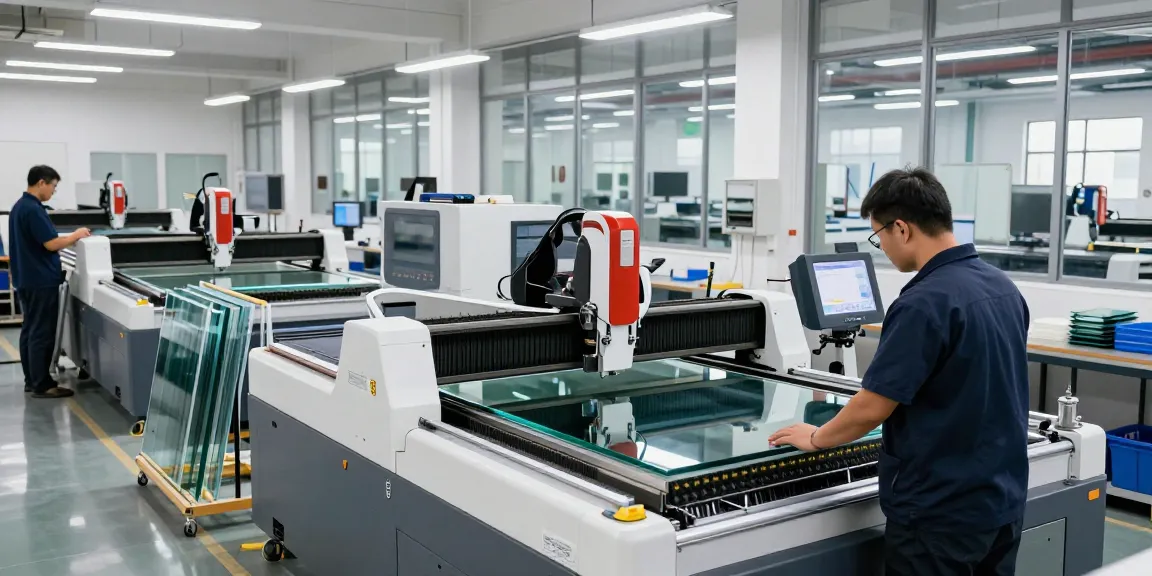
In industrial settings, induction heating is widely used for processes such as brazing, welding, melting, and heat treating metals. This method is particularly beneficial for manufacturing components with stringent metallurgical requirements, such as automotive parts, aerospace components, and electronics. Industries such as medical device manufacturing and plastics are also increasingly adopting induction heating due to its efficiency and precision.
Home and DIY Applications
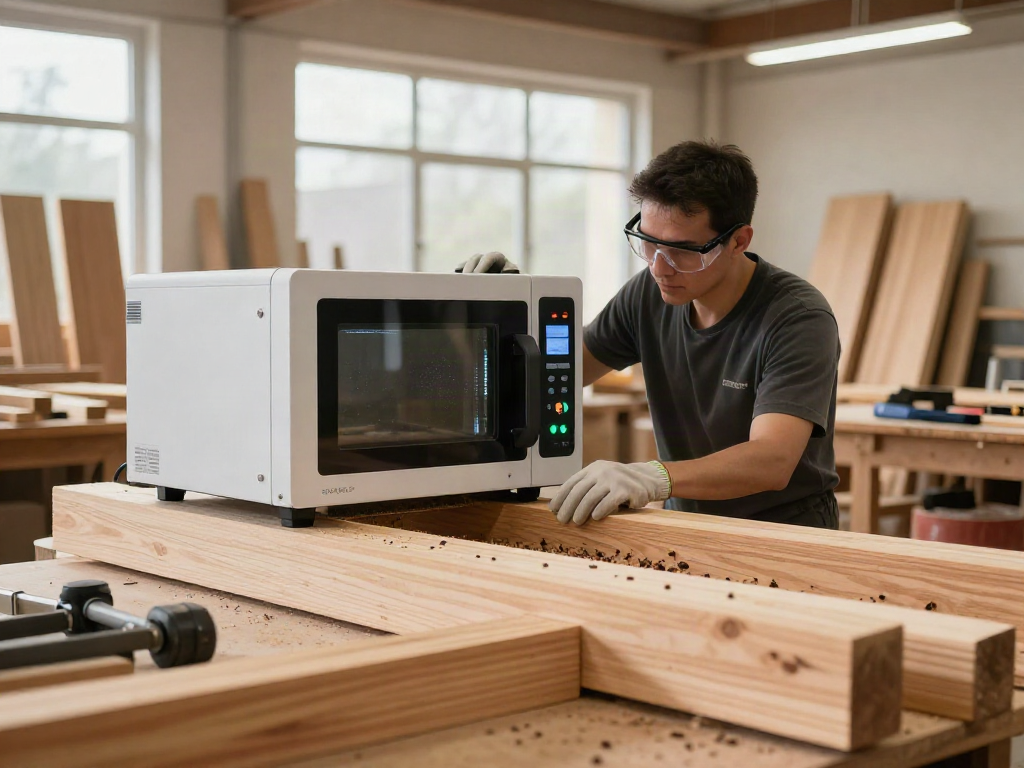
Induction heaters have also found their way into home and DIY applications. Handheld induction heating tools can assist hobbyists and professionals alike in tasks such as removing rusted bolts, working with metal fabrication, and even cooking in some advanced kitchen appliances.
Innovative Uses in Various Industries
Beyond traditional applications, innovative uses for induction heating are emerging. For example, in the field of renewable energy, induction heating is being explored for its application in the treatment of materials used in solar panels and wind turbines. Additionally, in the food industry, induction heating is being applied in cooking equipment that provides precise temperature control for better food quality and safety.
Choosing the Right Induction Heater for Your Needs
When selecting an induction heater, it's crucial to consider various factors that will influence performance and efficiency in your specific application. Understanding these elements can ensure you invest in the right equipment.
Factors to Consider When Selecting an Induction Heater
- Power Rating: Choose a power rating that matches your heating needs. Higher power ratings will allow for faster heating times.
- Frequency: Induction heaters operate at various frequencies; higher frequencies are typically used for smaller, lighter components, while lower frequencies are effective for larger, heavier parts.
- Temperature Control: Look for systems with advanced temperature control features to ensure precision during heating processes.
- Customization Options: Customizable coil designs and modular systems can adapt better to specific applications, which is crucial for maximizing efficiency.
Customizable Features of Induction Heating Machines
Kexin induction heaters offer numerous customizable features tailored to meet unique operational demands. For instance, modular power racks allow for easy scalability according to production needs, whether it's for low-volume laboratory work or high-volume industrial production. Additionally, custom coil designs can be developed to fit specific geometries and heating requirements, ensuring optimal thermal management and efficiency.
Comparative Analysis of Different Induction Heaters
When exploring induction heating solutions, it's wise to compare different models and manufacturers. Key points to examine include efficiency ratings, safety features, ease of use, and available warranties. Additionally, reviews and testimonials from other users in your industry can provide valuable insights into the real-world performance of the equipment.
Optimizing Performance with Induction Heaters
Maximizing the performance of your induction heating system entails a combination of best practices, proper maintenance, and understanding common challenges that may arise during operation.
Best Practices for Efficient Heating
- Proper Coil Design: Ensure that the coil used aligns with the material shape and size for effective heating.
- Optimize Power Settings: Use intelligent power management features to adjust outputs based on the load for more efficient energy use.
- Regular Training: Train operators regularly to ensure they understand how to use the equipment optimally for increased efficiency.
Maintenance Tips for Longevity and Safety
Routine maintenance is vital for the longevity of induction heaters. Operators should regularly inspect coils for wear and damage, ensure all safety interlocks are functional, and perform scheduled software updates for advanced models equipped with digital controls. Keeping the equipment clean and free from dust or debris will minimize overheating risks and create a safer working environment.
Common Challenges and How to Overcome Them
Even with high-quality induction heating systems, operational challenges can arise. Common issues include inconsistent heating and overheating components. To address these, it’s essential to regularly monitor the system's performance data and adjust operational parameters accordingly. Additionally, consulting with the manufacturer for troubleshooting advice can provide further insights into resolving specific problems.
Future Trends in Induction Heating Technologies for 2026
The landscape of induction heating technology is constantly evolving, with innovations on the horizon that promise to enhance efficiency and broaden applications.
Emerging Technologies and Innovations
In the coming years, expect to see advancements in digital control systems and artificial intelligence integration, allowing for even more precise temperature management. Moreover, innovations in energy-efficient designs and materials may significantly reduce the environmental footprint of induction heating solutions.
Environmental Considerations and Energy Efficiency
As industries shift towards sustainable practices, the focus on environmentally friendly heating methods will grow. Induction heating, known for its high efficiency, will likely become a preferred option for organizations looking to lower their carbon footprint while maintaining operational excellence.
Expert Insights: What to Expect in the Coming Years
Industry experts predict a surge in the use of induction heating technologies beyond traditional applications, expanding into sectors like electronics, renewable energy, and even medical device manufacturing. As companies prioritize efficiency and sustainability, induction heating represents a promising solution for meeting both production and environmental goals.
What are the advantages of using an induction heater?
The advantages include enhanced efficiency, precision heating, clean operation, and reduced heating times, all of which contribute to lower operational costs and higher productivity.
How energy-efficient are induction heaters?
Induction heaters can save significant energy compared to traditional heating methods, with efficiencies reaching up to 95%, making them an economical choice for commercial and industrial applications.
What maintenance does an induction heater require?
Maintenance typically involves regular inspection of components, cleaning coils and internal parts, and ensuring that safety features are in working order to prevent any operational issues.
Can induction heaters be used for small-scale applications?
Yes, induction heaters are versatile and can be designed for small-scale applications, making them suitable for both industrial and DIY uses.
What industries benefit most from induction heating technology?
Industries that benefit significantly include automotive, aerospace, medical, manufacturing, and energy sectors, where precision and efficiency in heating are paramount.. Additionally, induction welder provides further details.